Forget the Rage Quits: How Cozy Games Became America's Favorite Digital Blanket Fort
Put Down the Controller (Just Kidding, Pick It Back Up — Gently)
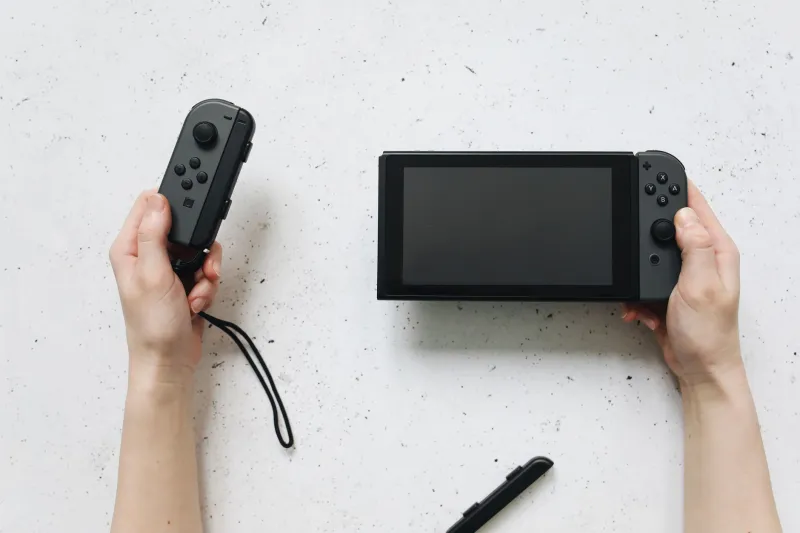
Picture this: It's 10 PM on a Tuesday. You've survived back-to-back Zoom calls, a commute that somehow took 45 minutes longer than Google Maps promised, and a lunch that was described as "zesty" but was really just sad. You crack open your laptop or grab your Nintendo Switch, and instead of loading up a battle royale where a twelve-year-old will absolutely destroy you in under thirty seconds, you... plant some turnips. You water your strawberries. You give a little virtual gift to a fox named Fennec who lives in a cozy cottage.
Welcome to cozy gaming — the movement that's quietly taken over American living rooms, dorm beds, and commuter trains alike.
What Even Is Cozy Gaming?
Cozy games don't have a single, locked-in definition, but you know one when you see one. These are low-stakes, often open-ended titles where the whole vibe is chill. Nobody's screaming at you through a headset. There's no kill-death ratio haunting your stats page. The goals, if there are any, are things like "decorate your house" or "befriend the grumpy neighbor" or "finish this little hike before sunset."
Think Stardew Valley, the indie farming RPG that started as a one-man passion project and somehow became a cultural phenomenon with over 20 million copies sold. Think Animal Crossing: New Horizons, which launched in March 2020 at what was — let's just say — a particularly stressful moment in American history and sold 31 million copies worldwide. Think A Short Hike, a tiny gem where you climb a mountain, chat with birds, and feel weirdly emotional about it for the rest of the week.
These games don't ask you to grind for ranked status. They ask you to just... exist for a while. And apparently, we are very into that.
Why Now? Why Us?
The numbers are hard to argue with. According to gaming industry analysts, the cozy game genre has grown by over 300% in terms of new releases since 2019, and platforms like Steam now have dedicated "cozy" tags that players actively filter for. The audience skews heavily Gen Z and millennial — two generations who, if we're being honest, are not exactly strangers to stress.
Dr. Rachel Kowert, a psychologist who researches video games and mental health, has noted in multiple interviews that games offering low-pressure environments can serve as genuine stress-relief tools, not just escapism. There's something about the predictability and warmth of cozy games — the cheerful music loops, the pastel color palettes, the fact that nobody is going to teabag your character — that functions almost like a digital meditation session.
"People are burned out," says indie developer Callie Watkins, who created the cozy crafting game Pebble & Pine last year. "They want to feel accomplished without feeling crushed. A cozy game lets you log off feeling like you did something — you built a little garden, you made a friend — without the anxiety spiral that comes from competitive play."
She's onto something. After the pandemic fundamentally reshaped how Americans relate to home, leisure, and screens, the idea of your gaming time being relaxing rather than stimulating stopped sounding boring and started sounding absolutely essential.
The Cozy Game Hall of Fame (No Trophies, Just Vibes)
Not all comfort games are created equal, and your perfect cozy match depends entirely on your mood. Here's a quick cheat sheet:
For the person who needs to feel productive: Stardew Valley — Farm, fish, mine, and marry a local townsfolk. You'll feel like you've accomplished a full day's work before your real day even starts.
For the person who just wants to wander: A Short Hike — Two hours, a mountain, and an emotional gut-punch disguised as a tiny indie game. Bring tissues.
For the decorator with a vision: Animal Crossing: New Horizons — Design your entire island from scratch and then spend three hours rearranging furniture. Completely valid use of a Saturday.
For the person who wants a story but not, like, a lot of story: Unpacking — You unpack boxes across different life stages and somehow learn everything about a person without a single line of dialogue. Quietly devastating in the best way.
For the cottagecore girlie (or guy, or anyone): Spiritfarer — You're a ferry captain helping spirits pass on to the afterlife. It sounds grim. It is the most wholesome thing you will ever play. Cry count: high.
For the group hang: Overcooked! 2 — Technically a cooking game where you work cooperatively to serve dishes before time runs out. Cozy? Debatable. Fun with snacks and friends? Absolutely.
The Indie Developers Making It Happen
One of the most genuinely cool things about the cozy gaming boom is that it's largely been driven by small, independent studios rather than the big publishers. Companies like ConcernedApe (the one-person team behind Stardew Valley), Whitethorn Games, and Humble Grove have built entire identities around making games that feel like a hug.
Whitethorn Games even coined the term "wholesome games" as a marketing category and has helped organize the annual Wholesome Direct — a showcase specifically for cozy and indie titles that now draws millions of viewers. It's basically the Sundance Film Festival but for games where you can pet dogs.
"We kept seeing players describe our games with the same words," says Tommy Rousse, a narrative designer at a small Portland-based studio. "Cozy. Warm. Safe. And we realized — that's not just a description. That's a need people have that the big studios weren't meeting."
Is This Just a Trend, or Is It Sticking Around?
Here's the thing: cozy gaming isn't new. Animal Crossing has been around since 2001. Harvest Moon (the spiritual grandfather of farming sims) launched in 1996. What's new is the cultural permission to enjoy these games without apology — to say out loud that you'd rather spend your Friday night fishing in Stardew Valley than grinding ranked matches and getting called names by strangers on the internet.
And with the cozy game market projected to keep growing — new releases like Hades II, Cozy Grove 2, and dozens of unannounced indie titles in development — it's pretty safe to say the blanket fort isn't getting packed up anytime soon.
So go ahead. Plant your crops. Name your chickens. Take your short hike. In a world that never seems to stop demanding your full competitive attention, sometimes the most radical thing you can do is just... be cozy.
Now if you'll excuse us, we have turnips to sell. — Yakabu