Going Offline Is a Whole Performance Now and We're All in the Cast

It always starts the same way. The carefully worded caption. The soft-focus photo — a mug of tea, maybe a stack of books, possibly a window with rain on it. The gentle announcement that you are stepping away for a while. That you need to reconnect with yourself. That the internet will have to manage without you for the foreseeable future.
Posted to Instagram. Shared to Twitter. Cross-posted to Facebook for the relatives. Pinned to your story.
And then — nothing. For about four hours. And then you're back, posting a meme about how you tried to take a break and lasted four hours.
Welcome to Digital Detox Theater. The show is always running. The tickets are free. The irony is load-bearing.
The Anatomy of the Detox Announcement
Let's be precise about what we're talking about here, because there are several distinct flavors of the performative digital break, and they deserve individual recognition.
The Soft Launch Detox. This is the most common variety. A vague post about "needing space" and "protecting your peace." Usually accompanied by a photo that has nothing to do with technology — a forest, a candle, someone's feet near a body of water. The Soft Launch Detox is typically followed by a return within 48 to 72 hours, often with a post about "feeling so refreshed" that gets 200 likes.
The Dramatic Exit. Less common, higher stakes. This is the "I'm deleting the app" post. The "this place is toxic and I'm out" post. The one that gets 300 concerned comments and a DM from your college roommate you haven't talked to in six years. The Dramatic Exit almost always ends with a return post that says something like "okay I missed you guys" and gets more engagement than anything you've posted in months.
The Stealth Detox. The rarest and most respected form. No announcement. You just... stop posting. For a while. And then come back. This requires a level of discipline that, frankly, most of us do not possess. If a tree falls in a forest and nobody posts about it, did the digital detox even happen?
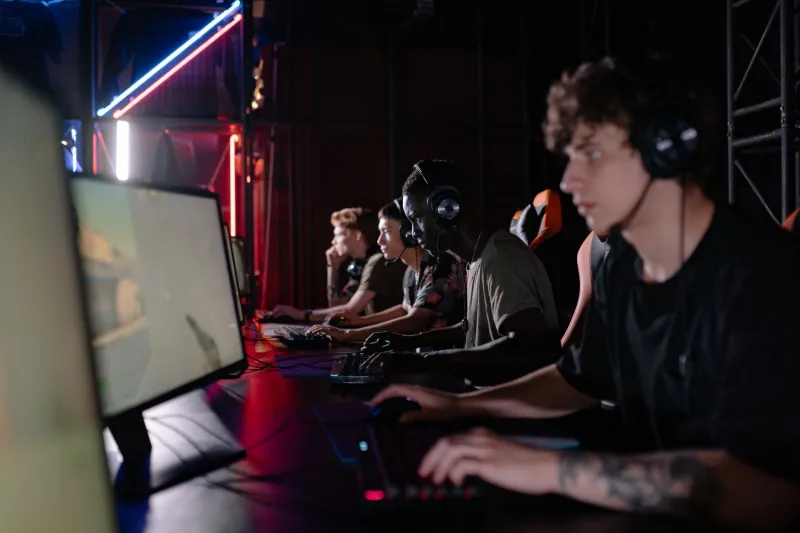
The Gaming Sabbatical Variant. A special category for the gaming community, where "going offline" means announcing you're stepping away from ranked matches, your Discord server, or a specific game — only to return three days later because the new season dropped and you need those cosmetics. We see you. We respect the honesty.
Why We Announce Our Absences to the Very Audience We're Leaving
This is the central paradox, and it's worth sitting with: why do we tell social media that we're leaving social media? Why does the detox require an audience?
The psychological explanation, according to researchers who study digital behavior, is something called social accountability framing — essentially, telling people you're doing something makes you more likely to do it. It's the same reason people post their gym check-ins or their sobriety milestones. The announcement is part of the commitment mechanism.
But there's a second layer that's harder to admit: the detox post is content. Good content, actually. The "I'm stepping back" narrative performs well because it's relatable, it invites engagement ("you okay?" "take care of yourself!" "we'll miss you!"), and it positions you as someone thoughtful enough to recognize when they need a break. That's a flattering self-portrait. Of course we post it.
And then there's the third, most uncomfortable layer: we're addicted. Not in a dramatic, clinical sense necessarily, but in the very real sense that the apps are designed by some of the most sophisticated behavioral engineers on the planet, whose entire job is to make leaving feel wrong. The detox announcement is, in part, a way of negotiating with that pull. I'm leaving, but I'm leaving on my terms, and I'm documenting it.
The Weird Anxiety of Actually Being Unreachable
For those who do manage to actually log off — even briefly — the experience is often not what they expected. Instead of the peaceful, phone-free afternoon of reading and nature walks that the Pinterest boards promise, many people report something closer to low-grade panic.
What if something happens and people can't reach me? What if there's news I'm missing? What if someone texts and thinks I'm ignoring them? What if my friend group chat has fourteen unread messages and they're all important?
They are never all important. They are almost always memes and someone asking if anyone wants to get food. But the anxiety doesn't care about probability.
There's a term for this — FOMO's quieter cousin — the anxiety not of missing out on events, but of missing out on information. Of being the last to know. Of returning to an internet that has moved on without you and now requires hours of context-catching to re-enter.
For gamers especially, this hits differently. Step away from a live-service game for a week and you might return to a completely different meta, a new season, two patches, and a community discourse you have absolutely no context for. The game didn't wait. It never waits. And somehow, that feels personal.
Failed Detoxes: A Highlight Reel
In the spirit of solidarity, here are some genuine accounts of digital detox attempts that did not go according to plan:
-
"I announced I was taking a week off social media. I lasted until I saw someone tweet something wrong about a movie I love. I had to respond. I had to."
-
"I deleted Instagram off my phone. I downloaded it again four hours later to check something 'real quick.' I have done this cycle seven times in one year."
-
"I told my friends I was going off the grid for a weekend. I was fully on the grid. I just didn't post. I was reading everyone else's stuff the whole time like a ghost."
-
"I went on a camping trip specifically to detox. I spent two hours trying to find signal to tell people I had no signal."
-
"I quit my gaming Discord for mental health reasons. I rejoined three days later because they were doing a movie night and I didn't want to miss it."
These are not failures of character. These are completely predictable outcomes of trying to manually override systems that are specifically engineered to prevent you from leaving.
Is Genuine Disconnection Even Possible Anymore?
Here's the uncomfortable question at the center of all of this: can you actually unplug? Or has the internet become so thoroughly integrated into daily American life — for work, for social connection, for navigation, for entertainment, for literally ordering food — that "going offline" is now a luxury good, available mainly to people with enough structural support to actually disappear for a few days?
The honest answer is: it depends. A true, multi-day digital detox is possible, but it requires planning, communication, and a support system that most people don't have. The casual "taking a break" post is almost always theater — and that's okay. The theater serves a purpose. It's a public acknowledgment that the relationship with technology is complicated. That you're aware of the pull. That you're at least thinking about balance, even if the execution is a little wobbly.
And maybe that's enough. Maybe the goal isn't perfect disconnection. Maybe it's just a little more intentionality. A little more awareness. A few more minutes looking up instead of down.
Or maybe you post this article to your Instagram story with the caption "lol this is me" and call it a day. We'll be here either way.
🌿 Taking a little break. Back soon.